
If you’ve ever watched your electric bill climb faster than a Gulf Coast hurricane, you know there’s a secret the locals keep under their hats. In Mobile, the folks who actually get comfortable year‑round aren’t just lucky—they’re using a playbook most contractors won’t hand you.
They’ve learned that a proper install is more than slapping a unit on a roof; it’s about matching the system to the humidity, the sun‑baked walls, and the way the wind whistles through the bayou. When the right steps are followed, the furnace hums like a lazy river and the AC blasts like a sea‑breeze without draining the wallet.
Ready to peek behind the curtain and see the exact moves that keep Mobile homes cool, cozy, and cost‑smart? Keep reading and you’ll discover the three game‑changing tricks that turn a regular install into a money‑saving masterpiece.
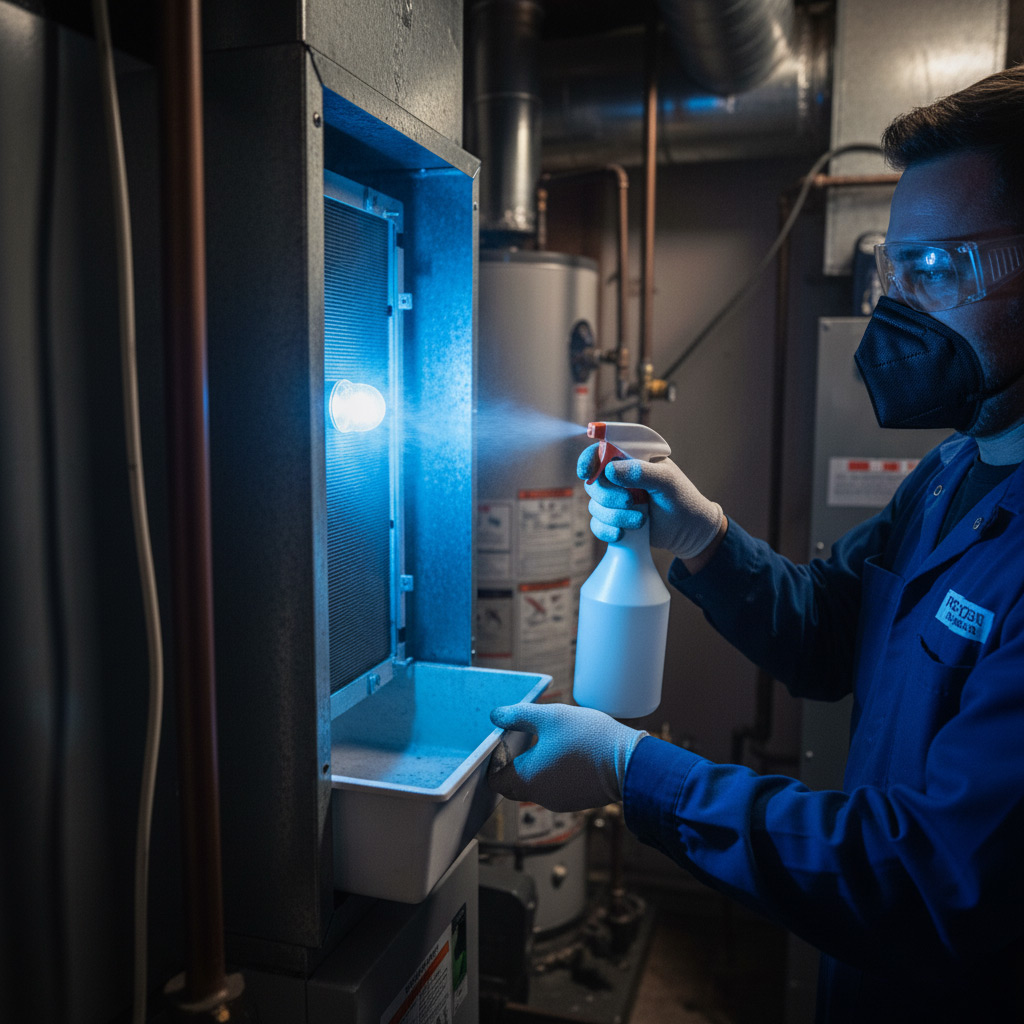
Understanding Mobile’s Climate: Humidity, Heat, and Seasonal Shifts
Mobile sits in a pocket where the Gulf’s moisture meets relentless summer sun. Humidity levels hover around 70‑80% most of the year, turning any cooling system into a sweat‑dripping marathon if it’s not sized right. When the heat spikes past 95°F, the air feels like a furnace, and the night‑time breeze barely nudges the temperature.
Why Those Numbers Matter for Your HVAC
- Higher humidity = more latent load. Your unit must pull water out of the air, not just lower the temperature.
- Peak summer heat demands a compressor that can sustain long‑run cycles without overheating.
- Winter in Mobile is mild, but occasional cold snaps still require a furnace that can kick in quickly without over‑working.
Seasonal shifts are subtle but real. Spring brings a sudden drop in humidity, while fall can surprise you with lingering heat that tricks a standard thermostat. Knowing when the climate flips lets you program smart controls that stay ahead of the weather, not behind it.
Selecting the Ideal HVAC System Size and Type for Your Home
First thing’s first: you can’t guess the right size. A unit that’s too small will run nonstop, while an oversized system will short‑cycle and waste money. The secret sauce is a proper Manual J load calculation—the same math the pros use to match BTU output to your square footage, ceiling height, and sun‑exposed walls.
What the numbers really mean
When the calculation spits out, say, 24,000 BTU, you’re looking at a 2‑ton unit. Anything under that and you’ll feel the heat creep in during July; anything over and you’ll hear the furnace “click‑off” before the room even gets warm. Keep it tight, keep it efficient.
Choosing the right system type
Mobile homes have a few favorites that play nicely with the local climate. Pick the one that fits your house’s layout and your budget:
- Central air with a gas furnace – classic, reliable, works best when you have a full duct network.
- Air‑source heat pump – great for mild winters, cuts fuel use, and can double as a dehumidifier.
- Mini‑split (ductless) – perfect for additions or rooms without ducts; offers zone control without the hassle.
Don’t forget the SEER rating. A higher SEER means lower electric bills, but the sweet spot in Mobile is usually 14‑16. Anything above 18 is overkill unless you’re chasing the green badge.
Future‑proofing your investment
Think ahead: a slightly larger unit (by 5‑10 %) can handle a new sunroom or upgraded insulation without a second install. Pair it with a programmable thermostat and you’ll have a system that adapts as your home evolves.
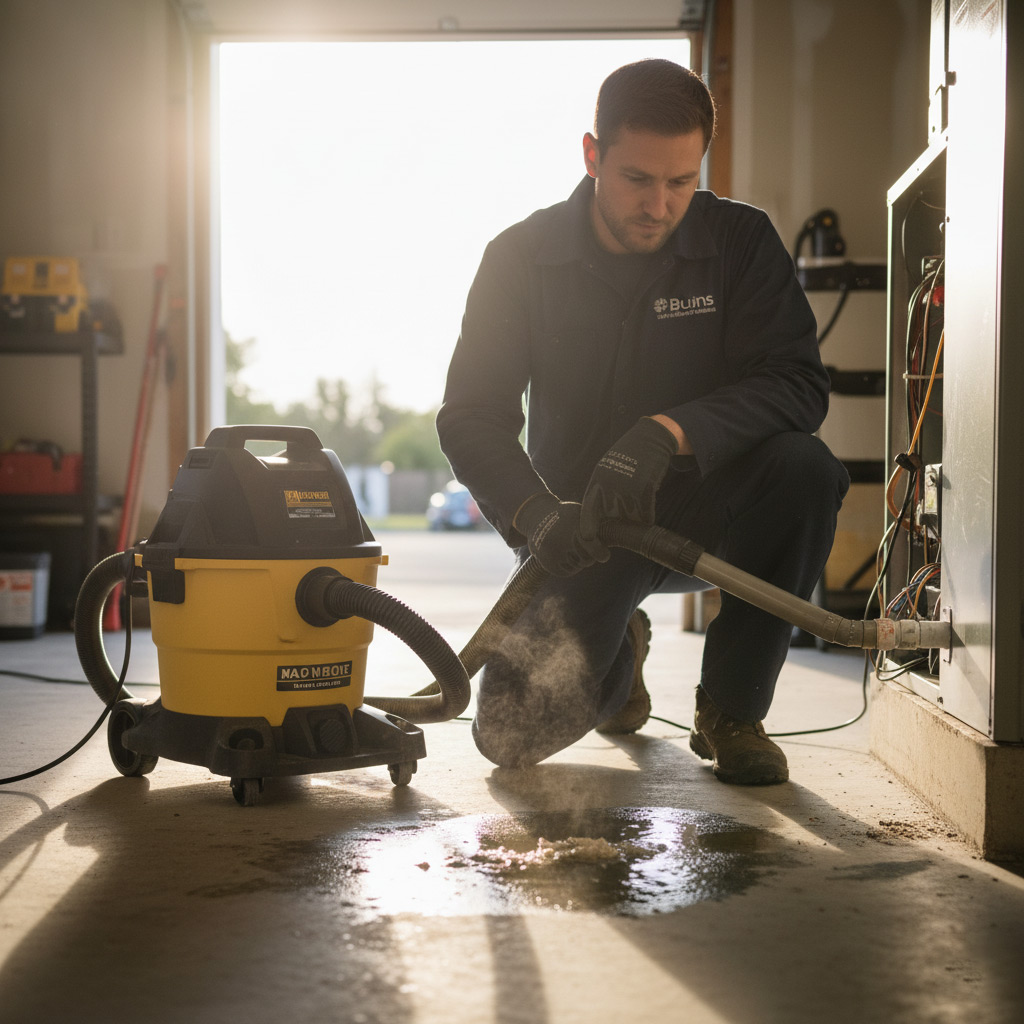
Pre‑Installation Essentials: Ductwork Inspection, Sealing, and Insulation
Inspect the Ductwork Before Anything Else
Before the first screw hits the unit, the air pathways have to be spotless. A quick visual scan catches loose clamps, rust spots, and sagging runs that will sap power later.
Grab a flashlight and walk the whole system. Look for:
- Disconnected sections – a gap the size of a thumb can waste a ton of conditioned air.
- Cracked or corroded metal – these spots leak and rust faster in Mobile’s salty air.
- Improper sizing – ducts that are too small force the blower to work overtime.
Seal Every Leak, No Matter How Small
Once you’ve mapped the problems, seal them like a pro. Use foil‑backed tape or mastic for a lasting bond; cheap duct tape won’t survive the humidity.
Key sealing spots include:
- Joints and seams – wrap them tightly, then coat with mastic.
- Register boots – make sure they sit flush against the floor.
- Attic penetrations – any hole where the duct meets the roof is a sneaky air‑sucker.
Insulation: The Unsung Hero of Comfort
Even the best HVAC won’t save money if the house leaks heat faster than a summer thunderstorm. Wrap ducts in insulation rated for at least R‑6 in the attic and R‑4 in conditioned spaces.
Don’t forget these hot spots:
- Exterior walls – add blown‑in cellulose or spray foam to keep the sun out.
- Basement crawl spaces – a vapor barrier plus insulation stops cold drafts from creeping up.
- Attic floor – a thick blanket of insulation keeps the furnace from fighting the roof’s heat.
Precise Placement and Mounting Techniques for Optimal Performance
Outdoor Unit Placement
First rule: give the condenser breathing room. A cramped spot forces the fan to work harder, spiking your electric bill.
Follow these clearances:
- Side clearance: at least 24 inches from walls or fences.
- Front clearance: 36 inches of open space for airflow.
- Top clearance: 12 inches above the unit to keep debris out.
Position the unit where the prevailing wind blows across it, not into it. That simple shift can shave off 5‑10 % of cooling load.
Indoor Unit Mounting
Whether you’re hanging a wall‑mounted air handler or tucking a furnace into the attic, stability matters.
Key steps:
- Use a level to ensure the unit sits perfectly horizontal; uneven footing creates noise and wear.
- Attach a vibration isolation pad under the base to mute rattles that travel through drywall.
- Secure all brackets to studs, not just drywall, for lasting support.
Fine‑Tuning the Install
Even after the big pieces are in place, a few tweaks lock in performance.
Don’t skip these:
- Check that refrigerant lines are straight with gentle bends—sharp kinks cause pressure loss.
- Run a quick “wiggle test” on the outdoor unit; any movement means the mounting bolts need tightening.
- Seal the base of the outdoor unit with a weather‑resistant gasket to keep moisture out.
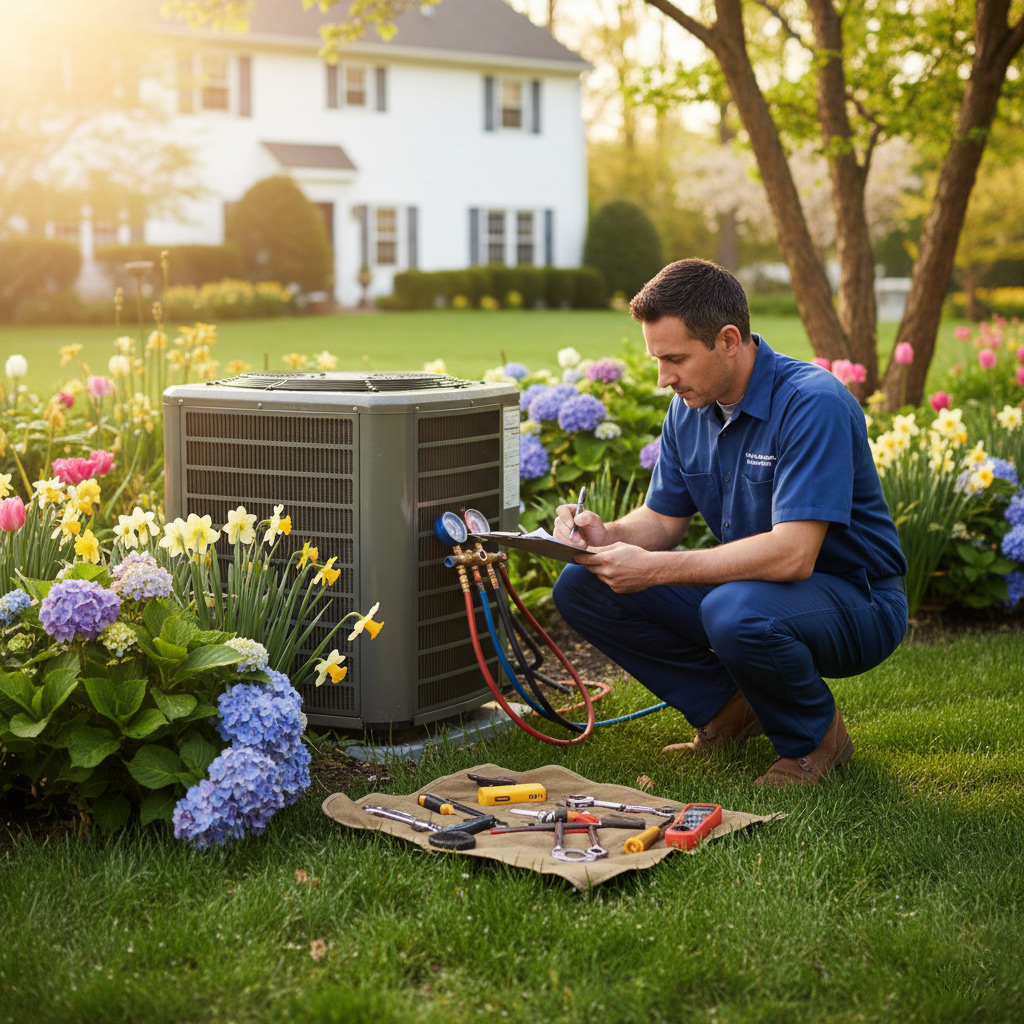
Smart Controls, Zoning, and Energy‑Saving Settings
Give Your Thermostat a Brain
Modern smart thermostats learn when you’re home, when you’re away, and even when the sun is beating down on your porch. They adjust the fan speed and temperature set‑point on the fly, so you never have to stare at a dial while the AC runs full blast.
Key features to look for:
- Geofencing – the unit knows when you step out the front door.
- Remote access via phone app – tweak the climate from the couch or the beach.
- Weather‑responsive algorithms – hotter days trigger a pre‑cool before you walk in.
Slice Your Home Into Comfort Zones
Not every room needs the same temperature. A bedroom can stay cooler at night while the living room stays warm for movie night. Zoning lets you run separate circuits for each area, cutting waste like a pair of scissors.
Typical zoning setup includes:
- Motorized dampers in the ductwork.
- Individual thermostats for each zone.
- Simple control panel that lets you set schedules per zone.
Dial‑In the Savings
Even the smartest system can waste energy if you ignore the basics. Set your AC to 78°F when you’re out, and let the furnace sit at 68°F during the night. A few minutes of tweaking each season can shave 10‑15% off your bill.
Pro tip: use the “eco” or “energy‑save” mode on your thermostat and pair it with ceiling fans. The fans move air around, letting you keep the thermostat a few degrees higher without feeling sticky.
Case Study: Transforming a Mobile Home’s Comfort and Cutting Energy Costs by 35%
When the Johnsons moved into their 2,300‑sq‑ft ranch on Dauphin Street, the AC sputtered in July and the furnace groaned all winter. Their utility bills were a nightmare, and the indoor air felt sticky, not fresh. After a thorough audit, we rewrote their HVAC playbook from the ground up.
The Before‑After Snapshot
We started with three simple moves that made all the difference:
- Right‑sized unit: Swapped a 5‑ton system for a 3.5‑ton, matched to the home’s square footage and heat‑gain calculations.
- Sealed ductwork: Re‑taped every joint, added mastic, and insulated the main trunk to stop leaks.
- Smart thermostat with zoning: One zone for the master suite, another for the open‑plan living area, each with its own schedule.
Installation day was quick—no need to tear down walls or relocate the furnace. The new condenser sat on a reinforced pad, angled to catch the prevailing breezes off the Mobile Bay. The indoor air handler was mounted on a vibration‑isolated bracket, keeping noise down to a whisper.
Six months later the Johnsons saw a 35% drop in their electric bill, and the house stayed at a steady 72°F in summer and 68°F in winter. “It feels like we finally have control,” says Mrs. Johnson, “and the savings are real enough to fund a summer vacation.” The numbers speak for themselves: 1,200 kWh saved, $480 back in the pocket, and a home that finally breathes easy.
Final Words
When you walk into a Mobile home that’s been tuned by the right pros, you’ll feel the difference instantly—no drafty corners, no sweaty nights, and a thermostat that actually respects your budget. That’s the payoff of treating an HVAC install like a precision project, not a weekend DIY.
What to Keep in Mind
- Never skip the duct inspection—leaky ducts are the silent money‑stealers.
- Match the unit size to your square footage and humidity levels; oversizing is a costly myth.
- Invest in smart controls and zoning; they turn a good system into a great one.
Ready to put these secrets to work? Your next step is to partner with a contractor who respects the local climate and follows the playbook we just laid out. For more on how to get the right system installed, explore our HVAC Installation guide.
People Also Ask
What makes Mobile, AL’s climate unique for HVAC installation?
Mobile’s hot, humid summers and mild winters create high cooling loads and occasional heating needs, requiring systems that handle both moisture control and temperature swings efficiently.How do I determine the right HVAC size for my Mobile home?
A professional load calculation (Manual J) considers square footage, insulation, window orientation, and local humidity levels to recommend a system that’s neither oversized nor undersized.Why is ductwork inspection crucial before installing a new HVAC system?
Leaky or poorly insulated ducts can waste up to 30% of conditioned air, so sealing and insulating ducts ensures optimal airflow, lower energy bills, and consistent comfort.What are the benefits of zoning and smart controls in Mobile homes?
Zoning lets you heat or cool specific areas independently, while smart thermostats adjust settings based on occupancy and weather, cutting energy use by up to 35%.Can a proper HVAC installation really lower my energy costs by 35%?
Yes—when the system is correctly sized, ducts are sealed, and smart controls are used, homeowners often see energy savings in the 30‑40% range, especially in Mobile’s demanding climate.
Mobile HVAC has been delivering reliable heating and cooling solutions to residents of Mobile, AL for over a decade. Their team blends certified expertise with a deep understanding of the local climate to keep indoor environments comfortable. Committed to responsive service, they prioritize timely installations, maintenance, and repairs for homes and businesses throughout the area.
Need HVAC?
We deliver rapid, reliable internet installation and repair services across Mobile, AL and surrounding ZIPs (36602, 36604, 36571, 36526, 36532). Our teams prioritize quick response times to keep your connection operational.
Get HVAC Estimate