Picture this: it’s July in Mobile, the humidity is punching you in the chest, and your air conditioner decides to blow warm, stale air instead of sweet relief. That sudden betrayal is a reminder that your HVAC system isn’t a set‑it‑and‑forget gadget—it needs regular TLC.
Living in the Gulf Coast means battling salty air, relentless heat, and sudden storms that can wear down even the toughest units. Skipping a simple filter change or ignoring a rattling fan can cost you hundreds in repairs and sky‑high energy bills, not to mention the discomfort of a home that won’t keep its promise.
In the next few minutes we’ll break down the exact steps you need to keep your system humming, the warning signs you shouldn’t ignore, and the seasonal checklist that will save you time and money. Stick around, and you’ll walk away with a maintenance plan that makes your HVAC work as hard as you do.

Understanding Your Mobile, AL HVAC System: Components & Climate Challenges
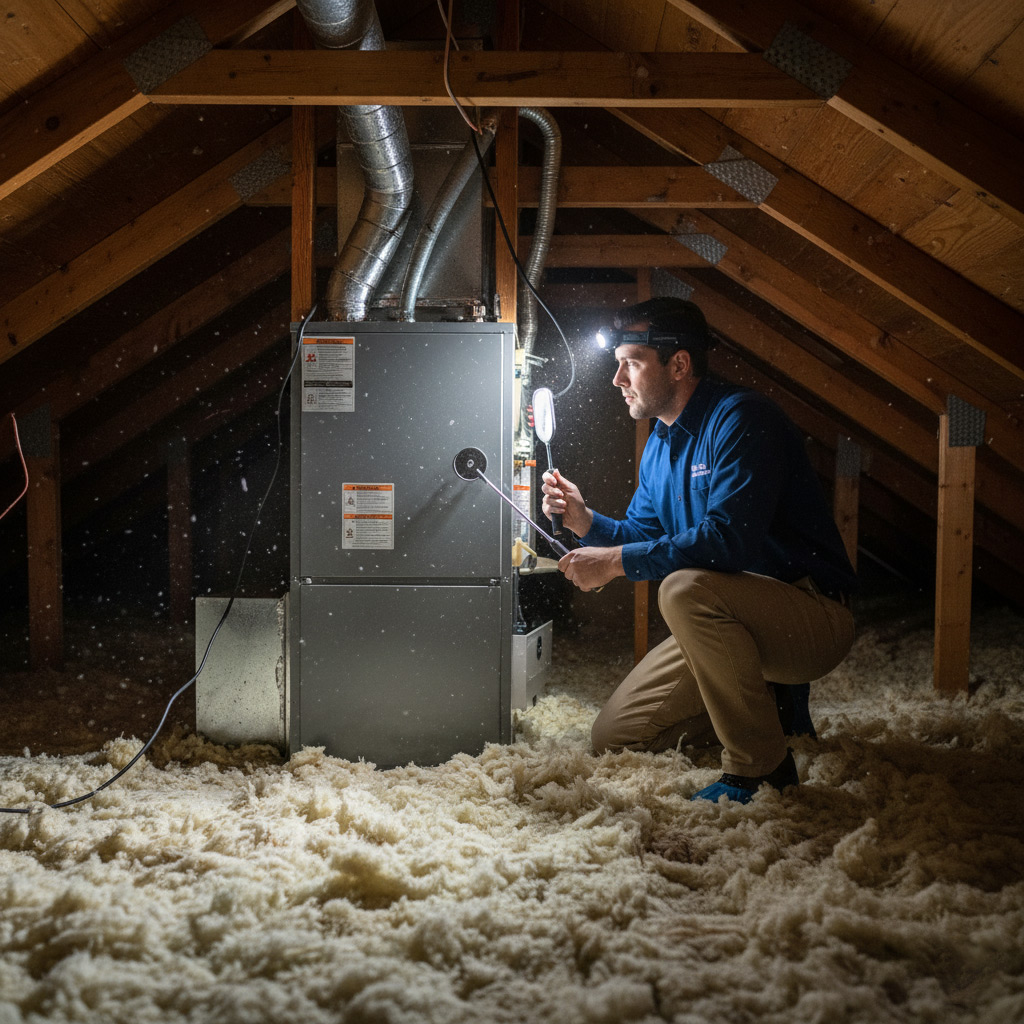
Before you can keep your system humming, you need to know what you’re dealing with. A typical Mobile home HVAC unit is a blend of a compressor, a condensing coil, an evaporator coil, a blower motor, and a network of ducts that ferry air from room to room. Each piece has a job, and when one slips, the whole crew feels the strain.
Key Components
- Compressor: the heart that pressurizes refrigerant.
- Condensing coil: releases heat outside, turning hot gas into liquid.
- Evaporator coil: absorbs indoor heat, creating cool air.
- Blower motor: pushes that cool air through your ducts.
- Thermostat: the brain that tells the system when to kick in.
Living on the Gulf Coast throws a few curveballs at those parts. Salty sea breezes love to corrode metal, while the relentless heat pushes the compressor to work overtime. Add sudden thunderstorms, and you’ve got moisture that can sneak into ducts and cause mold.
Gulf Coast Climate Pressures
- High humidity that forces the system to dehumidify as well as cool.
- Salt‑laden air that accelerates rust on coils and fan blades.
- Rapid temperature swings from scorching summer to brisk winter.
- Frequent storms that can dump rain into outdoor units.
Understanding these stressors lets you target maintenance where it matters most. A clean coil, a rust‑free fan, and a well‑sealed duct system are your first line of defense against the Mobile climate’s relentless grind.
Monthly & Quarterly Maintenance Tasks Every Homeowner Should Perform
Monthly Must‑Do’s
Take a quick walk around the outdoor unit. Look for debris, leaves, or anything that could choke the airflow.
Swap or clean the indoor filter. Dirty filters raise energy use by up to 15% and can turn a cool breeze into a hot gust.
Check the thermostat display. Make sure it’s set to Auto and not On—the latter forces the fan to run nonstop, wasting power.
- Clear the condensate drain line with a cup of bleach‑water.
- Inspect visible wiring for frayed or loose connections.
- Listen for odd noises; a rattling fan often means a loose blade.
Quarterly Deep‑Dive
Every three months, give the system a more thorough once‑over. This is when you catch the slow‑creeping problems before they explode.
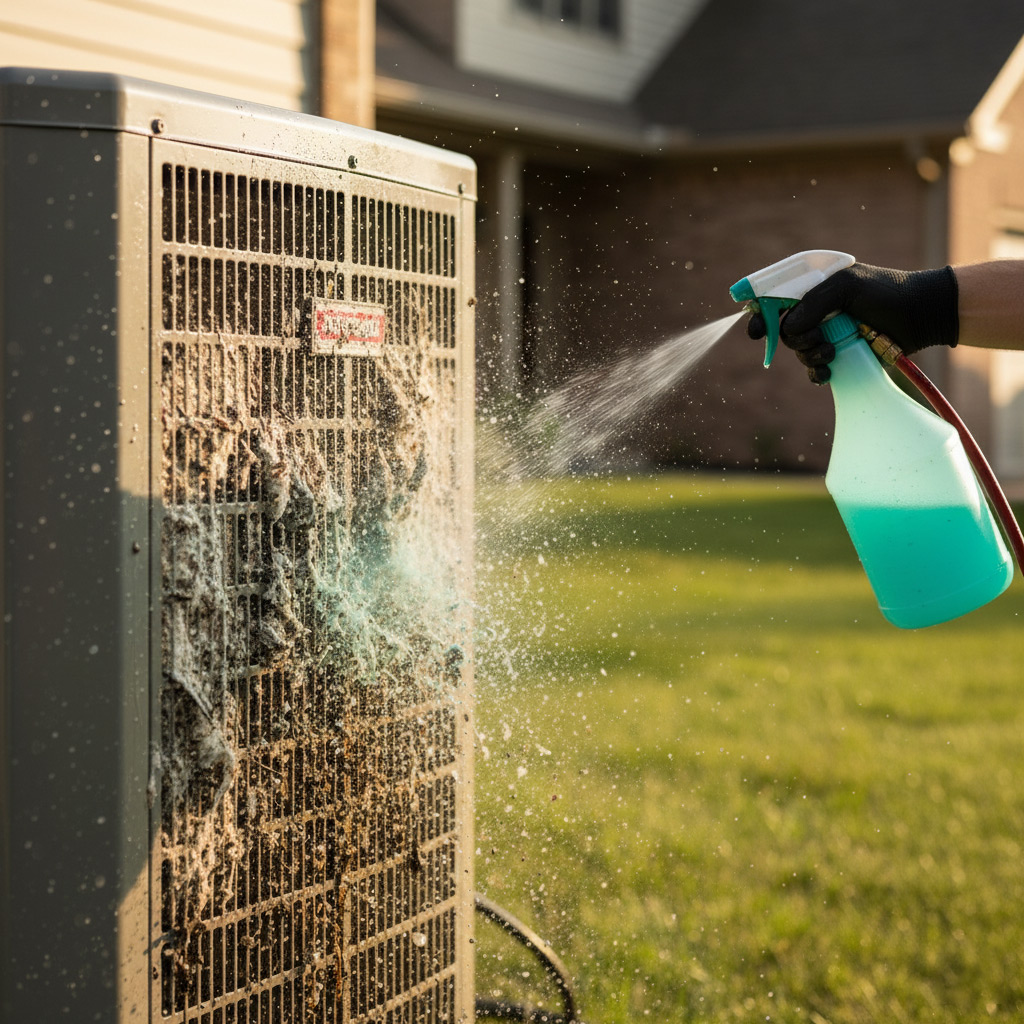
Turn off power, then remove the outdoor fan cover. Spray the coils with a garden‑hose (low pressure) and let them dry.
Schedule a 15‑minute inspection with a certified tech if you notice:
- Reduced airflow despite a clean filter.
- Unusual odors—could be mold or a refrigerant leak.
- Higher than usual utility bills for no clear reason.
Seasonal Checklist: Spring, Summer, Fall, and Winter Prep for Gulf Coast Weather
Spring & Summer Prep
When the humidity starts to climb, your AC is the only thing keeping you sane. Give it a quick once‑over before the heat really kicks in.
- Swap the filter – a clean filter lets air flow, cuts energy use, and stops dust from choking the coil.
- Inspect the outdoor condenser for salt‑crust buildup. Rinse with a garden hose, but avoid high pressure that could bend fins.
- Check the thermostat calibration. If it’s off by more than two degrees, you’re paying for phantom cooling.
- Clear debris (leaves, pine needles) from the unit’s base. A clear path means the fan can pull air without fighting obstacles.
Fall & Winter Prep
Cooler nights don’t mean you can ignore the system. A well‑tuned furnace and heat pump keep the house cozy and the bills low.
- Test the furnace ignition and pilot light. A flicker or delay signals a dirty flame sensor.
- Seal any gaps around the outdoor unit. Cold air sneaking in forces the system to work harder.
- Run the blower on low for 10 minutes each week. This keeps the motor lubricated and prevents motor‑burnout.
- Schedule a professional heat‑exchanger inspection. Cracks can leak carbon monoxide – a silent danger.
Spotting Early Warning Signs: How to Diagnose Common Issues Before They Escalate
When your HVAC starts acting like a moody teenager, it’s screaming for attention. A sudden drop in airflow, odd noises, or a thermostat that can’t keep a steady temperature are the first clues. Ignoring them is like letting a small leak become a flood.
Common Red Flags
- Strange noises – rattling, squealing, or grinding often mean a loose belt or a failing motor.
- Inconsistent temperatures – one room feels like a sauna while another stays chilly? Your ductwork may be leaking.
- Higher energy bills without a change in usage – the system is working harder than it should.
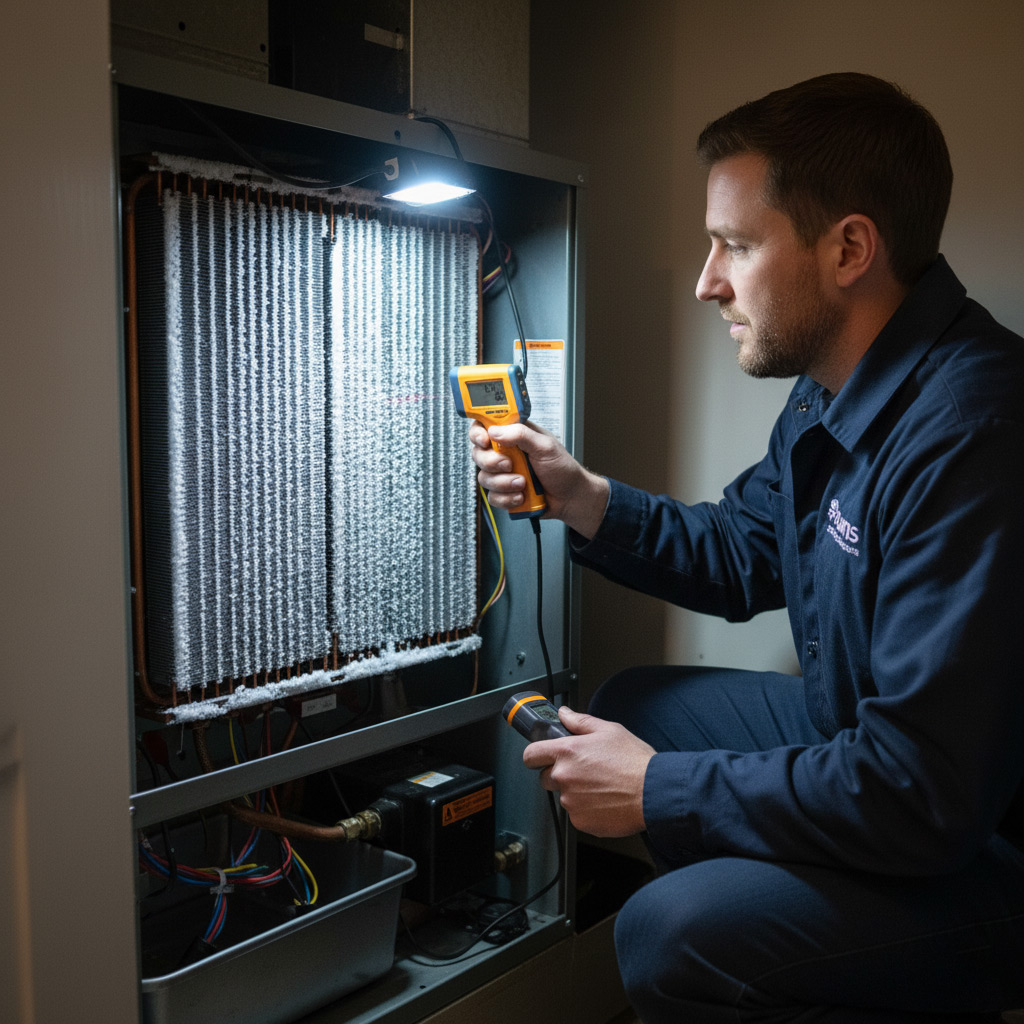
- Excessive moisture or frost on the coil – a sign of refrigerant problems or a clogged filter.
- Frequent short‑cycling – the unit turns on and off quickly, which can wear out components fast.
Spot these signs early and you’ll save yourself a costly repair bill. If you hear a new sound or see a spike in your electric bill, don’t wait. Turn off the system, check the filter, and call a certified Mobile HVAC tech before the issue snowballs.
DIY vs. Professional Service: When to Call a Certified HVAC Technician in Mobile
What you can tackle yourself
Changing the filter, cleaning the outdoor coil, and tightening loose screws are tasks most homeowners can handle in under an hour.
Just remember: turn off power, wear gloves, and keep a notebook of what you did. Simple maintenance keeps the big problems at bay.
- Filter swap – every 30‑45 days in summer, monthly in peak humidity.
- Coil rinse – use a garden hose, no pressure washer.
- Thermostat check – verify the display matches room temperature.
When the pros should step in
If the unit hums but doesn’t blow cold, or you hear grinding, it’s time to call a certified tech.
These signs often mean refrigerant leaks, motor wear, or electrical issues that DIY fixes can’t solve safely.
- Frequent short‑cycling or high energy bills.
- Water pooling around the indoor unit.
- Strange odors – mold, burning, or chemical smells.
- Any error codes flashing on the thermostat.
Why a certified technician matters in Mobile
Local pros know the salty air and storm‑driven wear that plague Gulf Coast systems.
They have the tools to test refrigerant pressure, calibrate sensors, and certify that work meets state regulations – saving you from costly callbacks.
Case Study: How a Mobile Family Saved $1,200 with Proactive Maintenance
The Situation
When the Johnsons moved into their 2,300‑sq‑ft home on Dauphin Street, the HVAC system was already five years old. They noticed the AC sputtering on hot July afternoons and the furnace coughing up cold air in December. Their utility bills were creeping past $300 a month, and a looming repair estimate hovered at $1,800.
The Action Plan
Instead of waiting for a breakdown, they called a local certified technician for a full system audit. The pros identified three low‑cost fixes that would keep the unit running smooth:
- Replace the 12‑inch air filter every 30 days – just $15 a year.
- Clean the outdoor condenser coils and trim back nearby palm fronds – a $75 service.
- Schedule a bi‑annual refrigerant charge and blower motor lubrication – $120 total.
They also set up calendar reminders for the monthly filter swap and the quarterly coil check. The plan was simple, repeatable, and cheap.
The Results
After three months, the Johnsons saw a $150 dip in their electric bill each month. By the end of the year, they had avoided a $1,200 repair and saved roughly $1,200 in energy costs. The system now runs quietly, and the family enjoys consistent comfort without the anxiety of surprise breakdowns.
Final Words: Your Year‑Round HVAC Maintenance Blueprint
Now that you’ve walked through the monthly chores, seasonal prep, and the tell‑tale signs of trouble, it’s time to lock in a rhythm that works for Mobile’s salty air and scorching summers. Think of your HVAC system as a high‑performance car – it runs best when you give it regular oil changes, tire rotations, and a quick visual check before every long haul.
Lock‑In Your Routine
Grab a wall calendar or set a reminder on your phone. Mark these three anchor points:
- Quarterly check‑ins – swap filters, clear debris, and listen for odd noises.
- Seasonal deep dive – let a pro inspect coils, refrigerant levels, and the thermostat calibration.
- Annual audit – schedule a full system tune‑up before the hottest month hits.
When each date arrives, spend no more than ten minutes on the DIY tasks, then book the professional service. Consistency beats panic every time.
When to Pull the Trigger on a Pro
If you notice any of these red flags, stop the DIY and call a certified technician:
- Foul odors or visible mold on vents.
- Frequent short‑cycling (the unit turns on and off too quickly).
- Unusual vibrations or rattling that won’t quiet down.
These symptoms often hide bigger problems that can drain your wallet faster than a busted filter.
Ready to keep your home comfortable all year long? Dive deeper into the full suite of services we offer under the HVAC Maintenance category and make sure your system stays in peak shape, no matter what the Gulf Coast throws at it.
People Also Ask
How often should I change my HVAC filter in Mobile, AL?
Changing your HVAC filter every 30‑45 days is ideal for Mobile’s humid climate, but you may need to replace it monthly during peak summer and winter months when the system works harder.What are the most common HVAC problems in Gulf Coast homes?
The most frequent issues include clogged condensate drains, refrigerant leaks, and worn-out fan motors, all of which can be aggravated by high humidity and salty air.Can I perform HVAC maintenance myself, or do I need a professional?
Homeowners can handle basic tasks like filter changes, cleaning vents, and checking thermostat settings, but complex work such as refrigerant handling or electrical repairs should be left to a certified Mobile HVAC technician.Why is seasonal HVAC preparation important in Mobile, AL?
Seasonal prep ensures your system runs efficiently against extreme heat, humidity, and occasional cold snaps, reducing energy bills and preventing costly breakdowns during peak usage periods.How much can proactive HVAC maintenance save me each year?
Regular maintenance can improve system efficiency by 10‑15%, often translating to savings of $200‑$400 annually, and can prevent major repairs that might cost $1,000 or more.
Mobile HVAC has served the Mobile, AL community for over 15 years, delivering reliable heating and cooling solutions. Their team of certified technicians combines local knowledge with industry‑leading practices to keep homes comfortable year‑round.
Need HVAC?
We deliver rapid, reliable internet installation and repair services across Mobile, AL and surrounding ZIPs (36602, 36604, 36571, 36526, 36532). Our teams prioritize quick response times to keep your connection operational.
Get HVAC Estimate