
Picture this: you walk into your home on a scorching Mobile afternoon and the air feels just right—cool enough to make you sigh in relief, but not so cold you need a sweater.
That sweet spot isn’t a miracle; it’s the result of a well‑tuned HVAC system and a homeowner who knows the simple moves that keep it humming all year long. From swapping filters before they choke the airflow to spotting the tell‑tale signs of a struggling compressor, the right habits save money and keep comfort on lock.
Ready to stop guessing and start mastering your home’s climate? Keep reading and discover the three must‑do checks that will keep your system—and your wallet—happy when the Gulf heat rolls in.
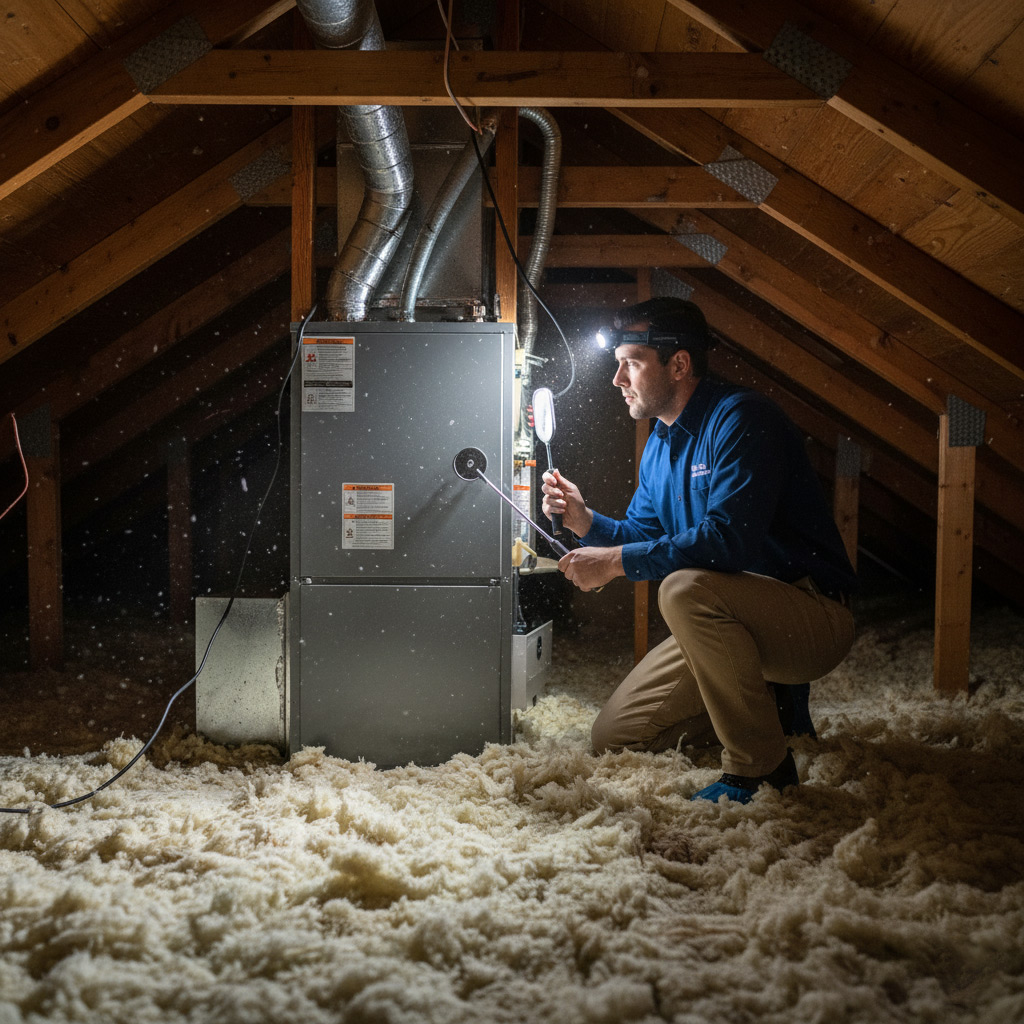
Understanding Your Residential HVAC System: Core Components and Their Functions
Before you can keep your Mobile home cool in July and cozy in December, you need to know what’s actually inside the metal box humming in your garage. Every part has a job, and when one drops the ball, the whole system feels the heat. Knowing the players lets you spot trouble fast and talk the same language as your technician.
The Big Five Players
- Compressor: The heart‑pump that squeezes refrigerant, turning low‑pressure gas into high‑pressure hot gas.
- Condenser Coil: Sits outside, releases that heat to the air, turning the hot gas back into a liquid.
- Evaporator Coil: Inside the ductwork, it absorbs indoor heat, turning the liquid into a cool vapor.
- Air Handler/Fan: Pushes air over the evaporator coil and distributes it through your home’s ducts.
- Thermostat: The brain that tells the system when to kick on or shut down based on your set temperature.
How They Work Together
- The thermostat senses a temperature rise and signals the compressor to start.
- The compressor pressurizes refrigerant, sending it to the condenser coil where outdoor air cools it.
- Now a liquid, the refrigerant travels to the evaporator coil; the fan blows indoor air across it, pulling heat out of your rooms.
- Warmed‑up air returns to the furnace or return ducts, while the cooled air circulates back to you.
Seasonal Maintenance Checklist: Essential Tasks for Spring, Summer, Fall, and Winter
Every season throws a different curveball at your HVAC, so a little pre‑emptive love keeps the system from throwing a tantrum when the Gulf heat or the Gulf chill shows up. Think of it as a quarterly tune‑up that saves you from a pricey emergency call later. Do the work now, and you’ll sleep easy all year long.
Spring
- Turn off the outdoor unit, clear debris, and give the coils a gentle rinse.
- Swap the furnace filter – a clean filter means the blower won’t strain.
- Inspect the condensate drain for clogs; a blocked line can cause water damage.
Summer
- Check refrigerant lines for ice buildup; melt any frost before it spreads.
- Run the fan on “auto” mode to avoid over‑working the compressor.
- Seal any leaky ducts with foil tape – every ounce of cool air counts.
Fall
- Schedule a professional furnace inspection before the first chill.
- Test the thermostat’s calibration; a mis‑read can waste fuel.
- Lubricate motor bearings to keep the blower quiet and efficient.
Winter
- Keep the outdoor unit clear of snow and ice; a simple brush does the trick.
- Turn the thermostat down a notch at night; the house retains heat longer than you think.
- Check for carbon monoxide leaks if you run a gas furnace – safety first.
Pro tip: Mark your calendar with these tasks and set a reminder on your phone. A 15‑minute check each season beats a $1,000 repair any day.
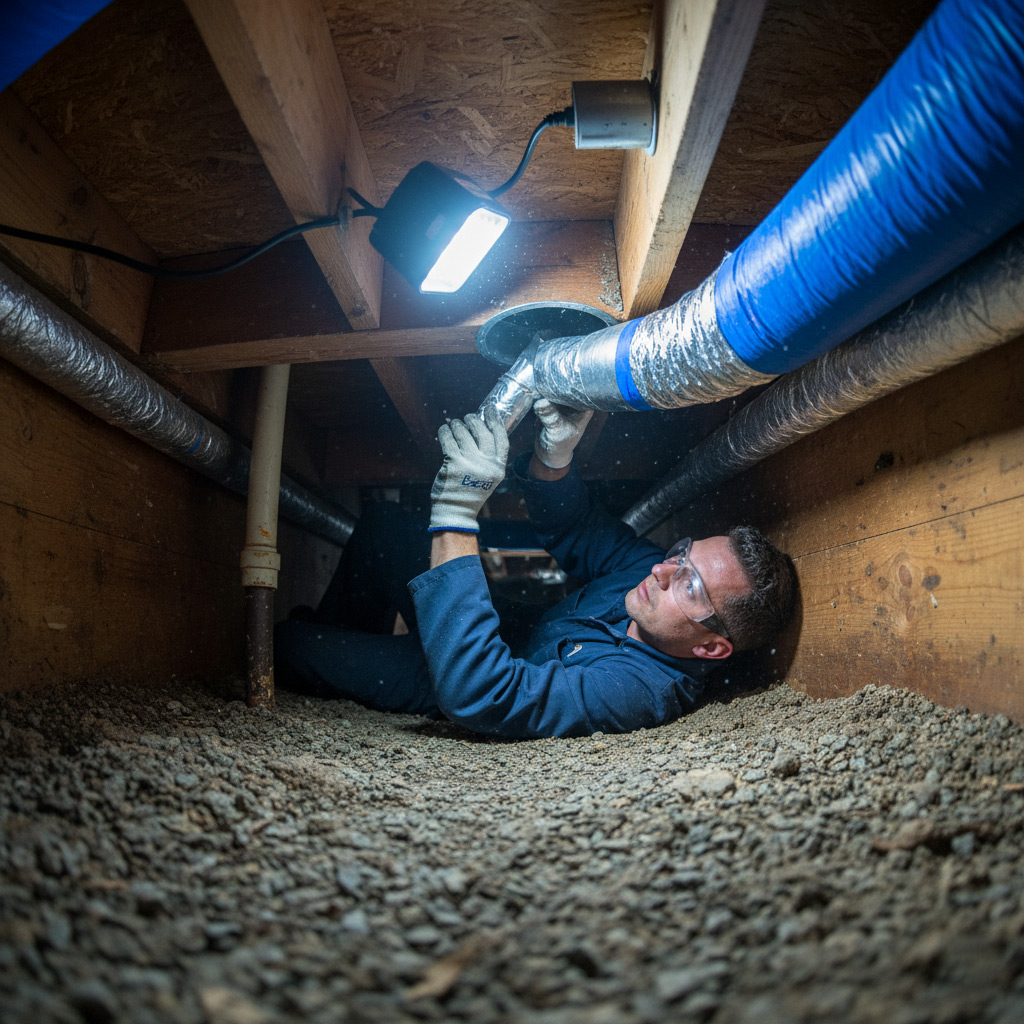
DIY Essentials: Filter Replacement, Coil Cleaning, and Airflow Optimization
Even if you’re not a certified tech, a few simple chores can keep your system from throwing a tantrum. Think of it as giving your HVAC a quick coffee break—just enough to perk it up without the full service bill.
Filter Replacement – The 5‑Minute Fix
Grab the filter, slide it out, and compare it to the size printed on the frame. If it looks darker than a storm cloud, it’s time for a swap.
- Turn off the unit to avoid a surprise blast of dust.
- Slide the old filter out gently; note the arrow that shows airflow direction.
- Insert a new 20‑30 µm pleated filter, matching the arrow.
- Power the system back on and listen for a smoother hum.
Pro tip: Mark the replacement date on the frame with a Sharpie. You’ll thank yourself when the next season rolls around.
Coil Cleaning – Keep the Heat (or Cool) Flowing
The evaporator and condenser coils love clean metal. A dirty coil is like a clogged artery—your system works harder, and the bill climbs.
- Shut off power and protect the fan blades with a towel.
- Spray a coil‑cleaner foam onto the fins; let it sit 10 minutes.
- Rinse gently with a garden hose on low pressure; avoid bending the fins.
- Let the coils dry completely before restarting.
Do this once a year, preferably in spring, and you’ll notice a cooler breeze without the extra wattage.
Airflow Optimization – Let the Air Move
Blocked vents are the silent thieves of comfort. A quick walk‑through can reveal the culprits.
- Check each register; make sure it’s fully open.
- Remove furniture or curtains that sit directly in front of vents.
- Inspect the ductwork for obvious gaps or crushed sections.
- Seal minor leaks with foil‑backed tape; for bigger gaps, call a pro.
When air can travel freely, your thermostat reads a truer temperature, and you’ll spend less time tweaking the dial.
Early Warning Signs: How to Detect Compressor, Fan, and Refrigerant Issues Before They Escalate
Compressor Clues
When the compressor starts humming louder than usual, it’s often a cry for help. Listen for rattles or grinding noises—they usually mean bearings are wearing out.
Watch the temperature swing. If the indoor thermostat calls for cooling but the air barely drops a few degrees, the compressor is probably struggling.
- Frequent short‑cycling (turning on and off quickly)
- Warm air blowing from vents despite a “cool” setting
- Unusual odors, especially a burnt smell
Fan Red Flags
The fan motor is the system’s circulatory pump; when it falters, comfort drops fast. Feel the airflow—if it feels weak or uneven, the fan blades might be dirty or the motor is losing torque.
Check for vibrations. A wobbling fan can damage the motor and create noisy operation.
- Spinning slower than normal
- Visible dust buildup on blades
- Motor humming without the fan actually turning
Refrigerant Warning Signs
Low refrigerant is like a leaky bucket; the system can’t hold the cool you need. Look for ice forming on the evaporator coil—this is a classic symptom of low charge.
Watch the pressure gauge if you have access; a sudden drop indicates a leak that needs a professional seal.
- Ice on indoor coil or refrigerant lines
- Higher than usual energy bills with no change in usage
- Frost on the outdoor unit’s condenser

Boosting Energy Efficiency: Programmable Thermostats, Zoning, and Insulation Tips for Mobile Homes
Programmable Thermostats – Your Wallet’s New Best Friend
Set it and forget it. A programmable thermostat lets you dial the temperature down 2‑3 °F while you’re at work, then crank it back up just before you walk through the front door.
Key moves:
- Schedule a 6‑hour setback for summer evenings.
- Use the “away” mode on weekends.
- Keep the fan on “auto” to avoid unnecessary run‑time.
Zoning – Treat Each Room Like Its Own Climate Zone
Not every square foot needs the same temperature. By installing zone dampers or separate thermostats, you can stop heating a vacant guest room while the kids are out playing.
Benefits you’ll feel fast:
- Lower bills because only occupied zones run.
- Improved comfort – no more hot spots in the kitchen.
- Extended equipment life thanks to reduced cycling.
Insulation Hacks for Mobile Homes in the Gulf Coast
Mobile homes often have thin walls and leaky seams. Plug those gaps and you’ll see a noticeable dip in your energy use.
Quick wins you can do this weekend:
- Apply spray‑foam around window frames and door jambs.
- Install reflective foil behind attic insulation to bounce heat outward.
- Seal the crawl‑space with a vapor barrier to keep humidity at bay.
Case Study: Restoring Comfort and Cutting Costs for a Mobile, AL Family Home
Problem Snapshot
When the Johnsons called, their 3‑bedroom ranch was a sauna in July and a freezer in December. High utility bills and constant thermostat battles signaled a system on its last legs.
They’d ignored the rattling compressor and the dusty coils for months, hoping the problem would “go away.” Spoiler: it didn’t.
Solution Steps
Our tech crew rolled in with a game plan that hit every weak point.
- Full system inspection – located a failing capacitor and a clogged evaporator coil.
- Replace the old 12‑year‑old furnace with a high‑efficiency 96% AFUE model.
- Install a programmable thermostat and set up zoning for the master bedroom.
- Clean and seal all ductwork, then add insulation around the attic.
Each move was timed to avoid the peak summer heat, so the family never felt a dip in comfort.
Outcome
Within two weeks, the Johnsons saw a 28% drop in their electric bill and finally stopped fighting over the thermostat.
They reported even temperature throughout the house, and the new furnace ran quietly—no more midnight clunks. The family now enjoys a consistent indoor climate, and their wallet thanks them every month.
Final Words
Now that you’ve got the playbook, it’s time to put it into action. A quick 15‑minute walk‑through each season can keep your system from turning into a money‑draining nightmare. Think of it as a health check for your home’s comfort engine.
Quick‑Hit Checklist
- Swap the filter – every 30‑45 days in summer, longer in cooler months.
- Inspect the outdoor unit for debris; clear leaves, twigs, and dirt.
- Listen for odd noises; a rattling fan or humming compressor means “call the pros.”
When you spot a red flag, don’t wait. A prompt service call can save you from a costly repair bill later. Our team at Residential HVAC Services knows Mobile’s climate inside out and can get your system back on track before the next heat wave hits.
Remember, comfort isn’t a luxury—it’s a habit. Keep these habits tight, and your HVAC will reward you with steady, reliable performance year after year.
People Also Ask
What are the main components of a residential HVAC system?
A typical residential HVAC system includes the furnace or heat pump, air conditioner, thermostat, ductwork, and ventilation fans. Each part works together to heat, cool, and circulate air throughout the home.How often should I replace my HVAC filter in Mobile, AL?
Most experts recommend changing the filter every 1‑3 months, depending on usage and filter type. In dusty environments or homes with pets, a monthly replacement can maintain optimal airflow and indoor air quality.What signs indicate my compressor might be failing?
Look for reduced cooling output, frequent short‑cycling, or unusual noises such as humming or clicking. A noticeable rise in energy bills can also signal compressor wear.Can a programmable thermostat really lower my energy costs?
Yes, a programmable thermostat can save 10‑15% on heating and cooling by automatically adjusting temperatures when you’re away or asleep. Pairing it with zoning controls maximizes efficiency in larger homes.When should I schedule professional HVAC maintenance in Mobile?
Schedule a professional tune‑up at least once a year—ideally in the spring for cooling and fall for heating. Regular maintenance helps catch issues early and extends the lifespan of your system.
Mobile HVAC has been delivering reliable heating and cooling solutions to residents of Mobile, AL for over a decade. Their team blends certified expertise with a deep understanding of the local climate to keep indoor environments comfortable. Committed to responsive service, they prioritize timely installations, maintenance, and repairs for homes and businesses throughout the area.
Need HVAC?
We deliver rapid, reliable internet installation and repair services across Mobile, AL and surrounding ZIPs (36602, 36604, 36571, 36526, 36532). Our teams prioritize quick response times to keep your connection operational.
Get HVAC Estimate