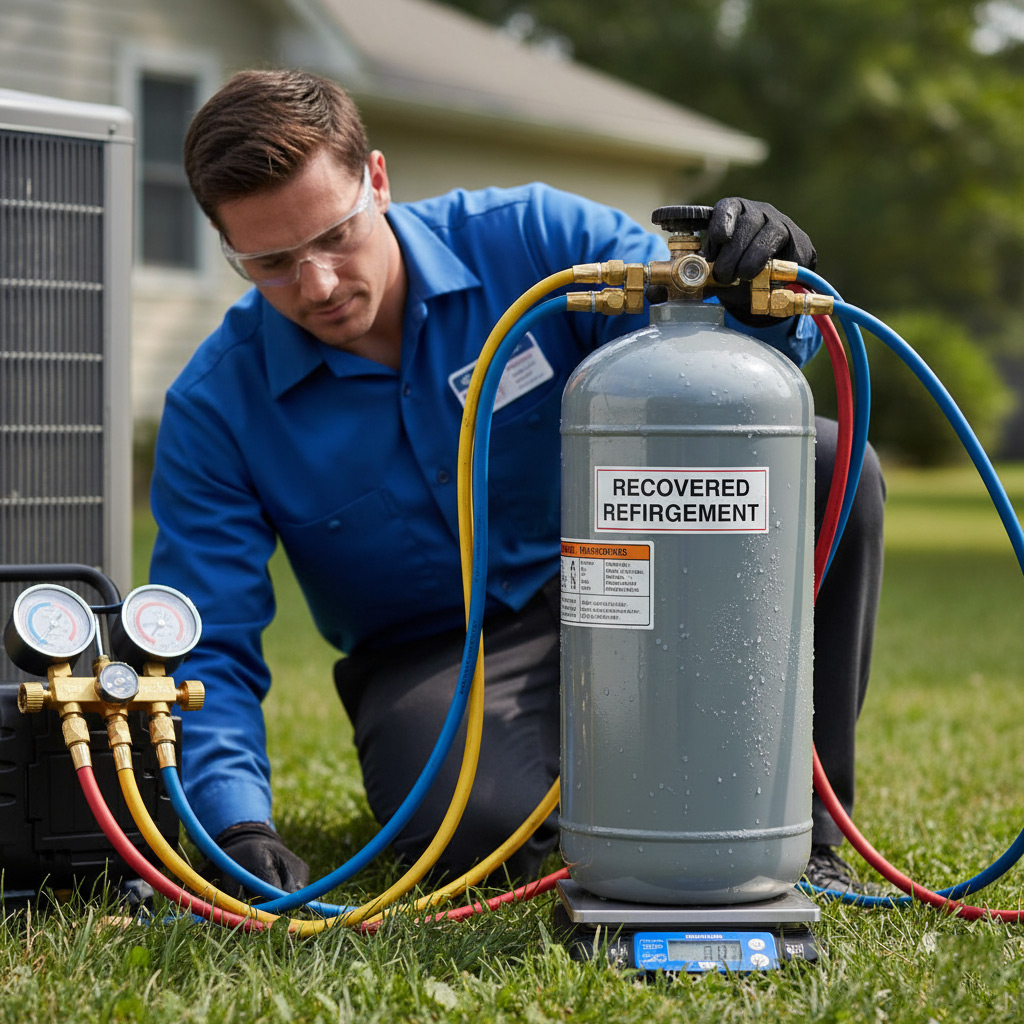
Picture this: you pull into your mobile home after a long day, flip the switch, and a wave of perfect temperature greets you like a personal butler. That instant comfort isn’t magic—it’s the result of a system that was chosen with the same precision a chef uses when picking a knife.
Most mobile‑home owners in Mobile, AL think any HVAC will do, but the truth is a one‑size‑fits‑all approach can leave you sweating in the summer and shivering in the winter. The right design takes into account your floor plan, local climate, and the quirks of a mobile structure.
Stick around, and I’ll walk you through the three critical factors that turn a noisy, money‑draining unit into a quiet, efficient powerhouse—so you can finally stop guessing and start feeling great every season.
Understanding Mobile Home HVAC Requirements in Mobile, AL
Mobile, AL sits in a humid subtropical zone. Summers scorch at 90°F plus, while winters hover just above freezing. That swing means your HVAC must handle both heat and moisture without breaking a sweat.
What makes a mobile home different?
Unlike a stick‑built house, a mobile home has thinner walls, a metal chassis, and often limited space for ductwork. These quirks demand a system that can:
- Deliver consistent airflow through tight crawl spaces.
- Combat condensation that can creep into walls and ceilings.
- Fit within the roofline or under the floor without compromising headroom.
Local building codes in Mobile require proper ventilation and a minimum SEER rating for new installations. Ignoring these rules can lead to failed inspections, higher utility bills, and a unit that never reaches its full potential.
Evaluating Your Home’s Layout and Insulation for Optimal Design
Before you even think about the brand of furnace or the size of the air‑handler, you need to map out how air moves through your mobile home. A cramped floor plan with tight corners can trap hot or cold spots, forcing the system to work overtime.
Room‑by‑Room Heat Flow
- Open‑concept spaces: Air circulates easily, but you still need a well‑placed return to pull stale air back.
- Closed rooms: Each bedroom or bathroom may need its own duct or a mini‑split to avoid dead zones.
- Hallways: Often overlooked, they act like highways for conditioned air—position vents at each end.
Next, check the insulation. Mobile homes in Mobile, AL face hot summers and chilly winters, so the envelope matters more than you think. Look for R‑value numbers on walls, roof, and floor; the higher, the better the barrier against outside temps.
Spotting Weak Points
- Gaps around windows and doors—seal with weather‑stripping.
- Thin roof panels—consider a reflective foil or spray foam.
- Floor joist spaces—add batt insulation if you can crawl under.
When you line up the layout map with the insulation audit, patterns emerge. A room with poor insulation but good airflow may still feel chilly, while a well‑sealed space with restricted airflow will feel stuffy. Aligning vents, returns, and insulation upgrades before you pick a system saves you from costly re‑work later.

Selecting the Right System Type: Split, Ductless, or Central
Split Systems – The Classic Choice
When you want a reliable, tried‑and‑true setup, a split system is the go‑to. It places the compressor outside and the air handler inside, keeping noise where you don’t hear it. Great for larger mobile homes that already have ductwork in place.
Ductless Mini‑Splits – Flexibility on Demand
Mini‑splits skip the ducts entirely, delivering conditioned air straight to the room via a small wall‑mount. They’re perfect for tight floor plans or additions where running ducts would be a nightmare. Save space, cut installation time, and keep the budget in check.
Central Systems – Whole‑House Power
If you crave uniform comfort from floor to ceiling, a central system can deliver. It uses a single furnace or heat pump paired with a network of ducts to spread air evenly. The trade‑off? You need a well‑sealed duct system and a bit more upfront cash.
- Split: Strong airflow, lower operating cost, needs existing ducts.
- Ductless: Easy install, zoned control, higher unit price per zone.
- Central: Consistent temperature, ideal for whole‑home upgrades, requires duct maintenance.
Sizing the Unit Correctly: Load Calculations and Energy Performance
Why Size Matters
Too big, and you’ll hear the compressor scream while the bill climbs like a runaway train. Too small, and you’ll be stuck with a unit that never reaches the set temperature, no matter how long it runs.
Getting the sweet spot means you’ll enjoy steady comfort, quieter operation, and a wallet that stays happy.
Do the Math – Load Calculation Basics
Start with the numbers that actually affect heating and cooling. A quick audit of your mobile home will reveal the true demand.
- Square footage – the bigger the space, the more power you need.
- Ceiling height – higher ceilings add volume that must be conditioned.
- Window count and orientation – south‑facing glass brings extra heat in summer.
- Insulation R‑value – thin walls let the weather in, demanding more output.
- Number of occupants and major appliances – they generate internal heat.
Plug these figures into a Manual J calculator or hand it to a certified technician. The result is a BTU rating that matches your home, not a guess.
Pick a Unit That Pays Off
Once you know the BTU requirement, look for a system that hits that target without overworking. Choose a model with a high SEER (Seasonal Energy Ratio) rating – it means lower power draw for the same output.
Don’t be fooled by the lowest price tag; a unit that’s undersized will cost you more in repairs and fuel. Let a local Mobile, AL pro verify the numbers, and you’ll lock in comfort that lasts year after year.
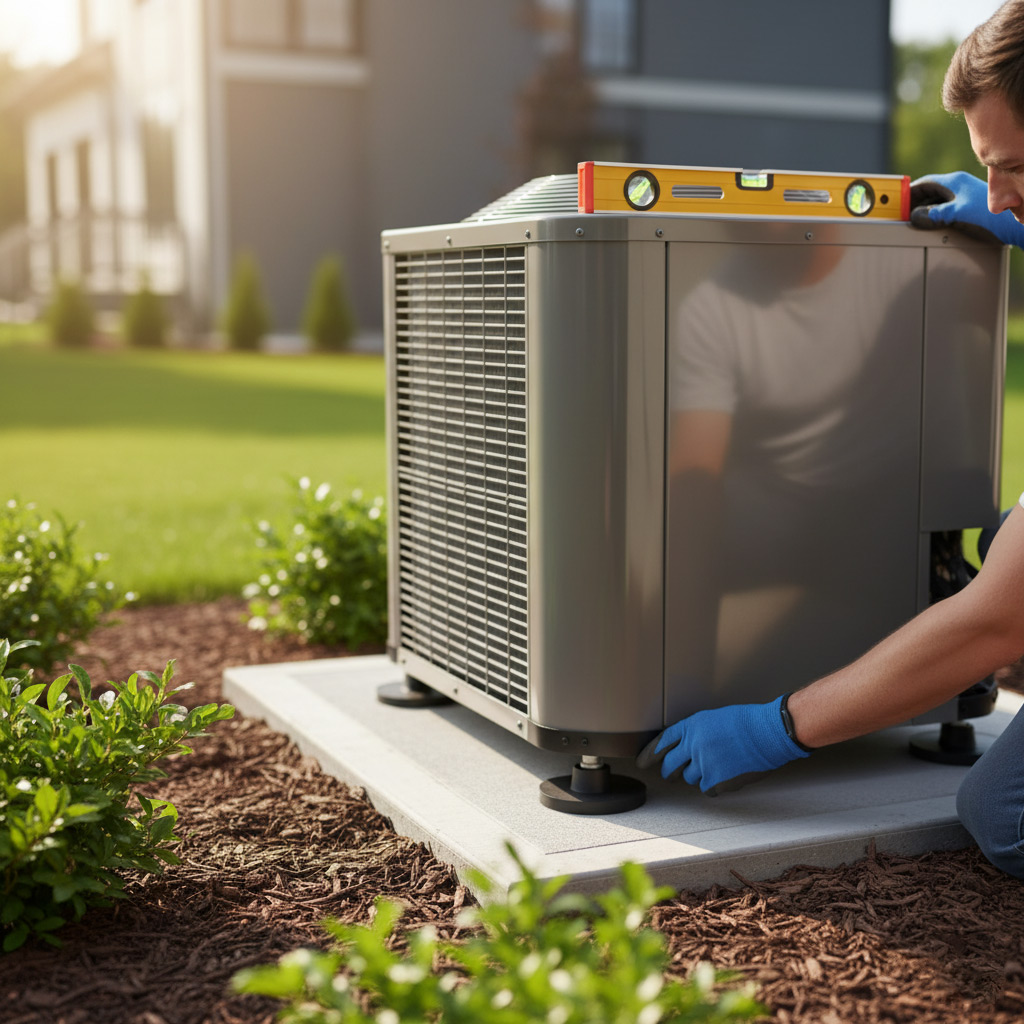
Integrating Smart Controls and Zoning for Comfort and Savings
Why Smart Controls Matter
Modern thermostats let you tell your HVAC exactly when to work, not a minute more. Remote access means you can dial down the heat before you even step out of the car. That alone can shave 10‑15% off your monthly bill.
Zone‑Based Comfort
Mobile homes often have a single‑room layout, but many owners add lofts, porches, or extra bedrooms. By dividing the space into zones, each area gets only the airflow it needs. No more heating an empty attic while the living room stays chilly.
Getting Started
Follow these three steps to lock in comfort and savings:
- Choose a thermostat that supports geofencing and multi‑zone programming.
- Install motorized dampers in the main duct runs; they open and close based on zone demand.
- Set schedules that match your daily routine—cool down before you arrive, warm up just before bedtime.
Once the system talks to itself, you’ll notice quieter operation and a tighter grip on energy costs. It’s like giving your HVAC a brain without the headache.
Case Study: Transforming a Mobile Home in Mobile, AL with a Tailored HVAC Design
Background
When the Johnson family moved into their 1,200‑sq‑ft mobile home on Pine Street, they were battling two problems: a furnace that rattled like a freight train and a summer heat that turned the living room into a sauna.
They lived in a neighborhood where humidity spikes in July and chilly Gulf breezes sweep in December, so a one‑size‑fits‑all unit simply wouldn’t cut it.
Key pain points included:
- Leaky windows and thin walls that let temperature slip.
- Old 8‑year‑old split system that was 30% over‑working.
- No zoning—every room shared the same thermostat.
Tailored Solution
Our crew installed a high‑efficiency 3‑ton ductless mini‑split paired with a smart thermostat that learns the family’s schedule.
We added a small, insulated return line to the bedroom wing, creating a two‑zone layout that lets the kids stay cool while the parents keep the den cozy.
Additional upgrades:
- R‑value boost on attic insulation (from R‑13 to R‑30).
- Low‑e window film to cut solar gain.
- Sealed ductwork with foil tape to stop leaks.
Results
Within a month, the Johnsons reported a 22% drop in their monthly energy bill and a noticeable silence when the system kicked on.
“It feels like we finally have a home that listens to us,” says Mrs. Johnson, smiling as she adjusts the zone control from her phone.
Overall, the tailored design delivered comfort, lower costs, and a system that actually respects the quirks of a mobile structure.
Final Words
Now that you’ve seen the pieces of a winning HVAC design, the next move is simple: talk to a local pro who knows Mobile’s heat and humidity like the back of their hand. A qualified installer will verify your load calculations, confirm the best system type, and fine‑tune the controls for real‑world comfort.
Quick Action Checklist
- Confirm your home’s square footage and insulation rating.
- Ask for a Manual J load calculation – no guesswork.
- Choose between split, ductless, or central based on your floor plan.
- Insist on a unit with a SEER rating that meets or exceeds local code.
- Request smart thermostats and zoning options for year‑round savings.
When you’re ready to turn those bullet points into reality, reach out to a contractor who specializes in HVAC System Design. A tailored solution will keep your mobile home comfortable, quiet, and cost‑effective—no more sweating the summer or freezing the winter.
People Also Ask
What HVAC system is best for a mobile home in Mobile, AL?
A high-efficiency split‑system or a ductless mini‑split is often ideal because they fit the limited space and provide reliable heating and cooling. Choosing a system with a SEER rating of 15 or higher helps reduce energy costs in the hot, humid climate.How do I determine the correct size of an HVAC unit for my mobile home?
A professional load calculation (Manual J) considers square footage, ceiling height, insulation, and local weather. Proper sizing ensures comfort and prevents short‑cycling, which can increase utility bills.Can I add zoning or smart controls to an existing mobile home HVAC system?
Yes, most modern split and ductless systems support zoning kits and Wi‑Fi thermostats. These upgrades let you program temperatures by zone, improving comfort and saving energy.Do mobile homes need special ductwork for central HVAC systems?
Mobile homes typically have smaller, pre‑engineered duct runs, but they may need sealing or resizing for optimal airflow. Consulting an HVAC professional ensures ducts are balanced and leak‑free.What maintenance steps keep my mobile home HVAC running efficiently?
Regularly replace filters, clean coils, and schedule annual professional tune‑ups. Keeping the system clean maintains airflow and extends the unit’s lifespan.
Mobile HVAC has been serving the Mobile, AL community for over a decade, delivering reliable heating and cooling solutions. Their team of certified technicians combines local knowledge with industry expertise to ensure comfortable indoor environments. Committed to responsive service, they prioritize safety and efficiency in every project.
Need HVAC?
We deliver rapid, reliable internet installation and repair services across Mobile, AL and surrounding ZIPs (36602, 36604, 36571, 36526, 36532). Our teams prioritize quick response times to keep your connection operational.
Get HVAC Estimate