Ever wonder why your heat pump starts acting like a stubborn mule the moment the Gulf breeze turns cool? Most homeowners in Mobile blame the weather, but the real culprits are hidden in plain sight, and the pros are laughing all the way to the invoice.
They’ve got a toolbox of tricks that keep your system humming—or sputtering—depending on whether they’re on the clock. From sneaky refrigerant leaks to thermostat tricks that make you think the unit’s broken, the truth is far messier than a simple “call a tech.”
Stick around and I’ll pull back the curtain on the shortcuts they don’t want you to know, so you can stop guessing and start fixing.
How Mobile’s Humidity and Salt‑Air Affect Heat Pump Performance
Living on the Gulf Coast means your heat pump is constantly battling a wet blanket. When humidity climbs above 80%, moisture sneaks into the indoor coil, turning what should be a smooth heat exchange into a soggy mess. Condensation builds up faster than the drain pan can handle, leading to water‑logged fins and a drop in airflow.
Salt‑Air: The Silent Saboteur
Every sea breeze carries microscopic salt particles that love to settle on metal surfaces. Those tiny crystals act like rust accelerators, eating away at copper tubing, aluminum fins, and even the compressor housing. One season of exposure can shave years off a unit’s life if the protective coating is compromised.
- Corroded coils lose heat‑transfer efficiency by up to 30%.
- Electrical contacts become flaky, causing intermittent start‑up failures.
- Outdoor fan motors seize up sooner, forcing the system into a costly “hard start.”
Bottom line: the combination of sticky humidity and salty air creates a perfect storm for premature wear. Ignoring these environmental factors isn’t just a minor inconvenience—it’s a fast track to frequent service calls and a ballooning energy bill.
The Hidden Culprits: Faulty Capacitors, Mis‑wired Thermostats, and Corroded Coils
Faulty Capacitors
When a capacitor starts to fail, the motor gets a weak kick‑start and the pump sounds like it’s struggling to breathe. Symptoms show up fast: humming, intermittent start‑ups, or a complete shutdown after a few minutes.
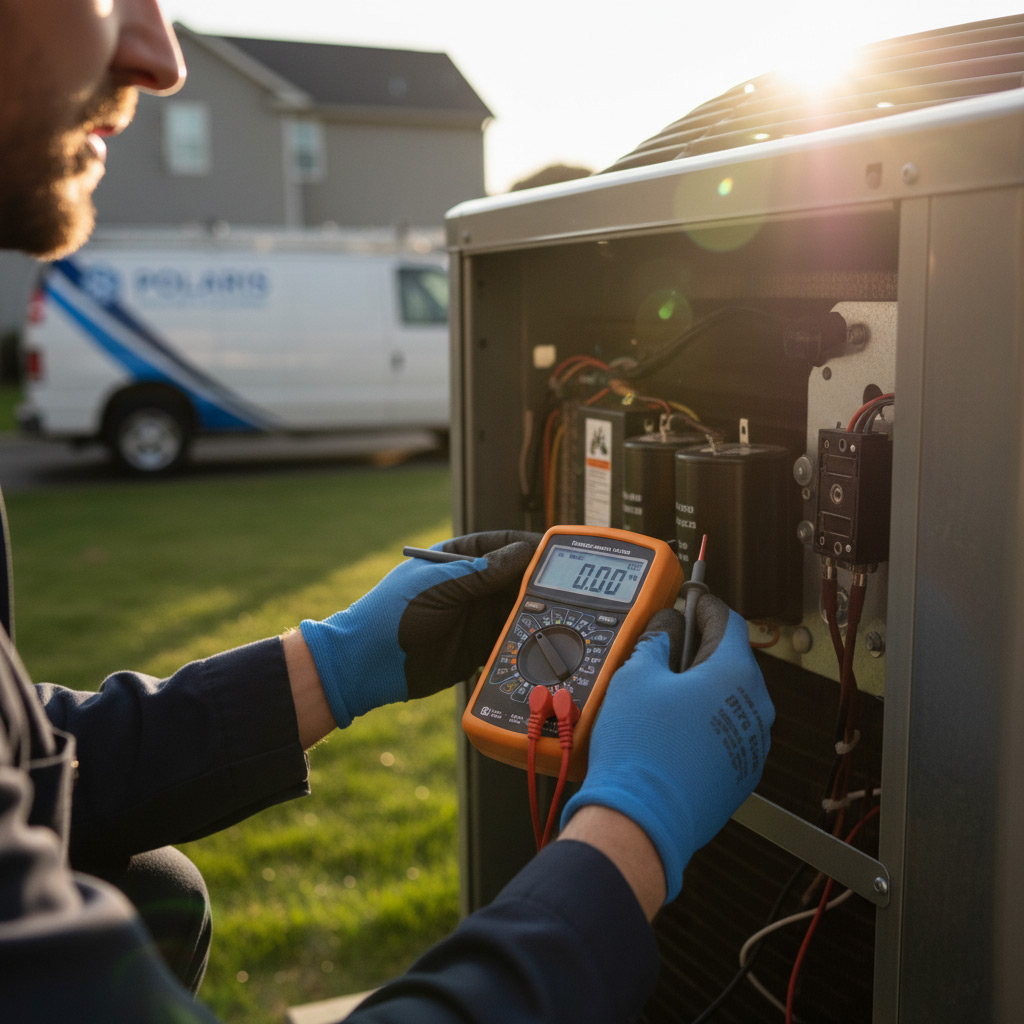
Most homeowners miss the tell‑tale smell of burnt insulation because the noise drowns it out. A quick voltage check with a multimeter will tell you if the capacitor is dead or just tired.
- Check for bulging or leaking – visual clues are hard to ignore.
- Measure capacitance; a reading 20% off spec means replacement.
- Swap in a known‑good unit for a 10‑minute test; if the pump runs smooth, you’ve found the villain.
Mis‑wired Thermostats
A thermostat that’s wired wrong can send the heat pump into a perpetual “on” mode or keep it locked out of heating altogether. The result? Your system runs hot, then shuts down to protect itself.
Technicians often spot this by tracing the low‑voltage wires back to the control board. One misplaced wire can turn a perfectly healthy unit into a money‑sucking nightmare.
- Look for loose connectors; a click can solve the problem.
- Verify the “C” (common) wire is present; many cheap units skip it.
- Use a thermostat wiring diagram specific to your model – generic charts lead to mis‑steps.
Corroded Coils
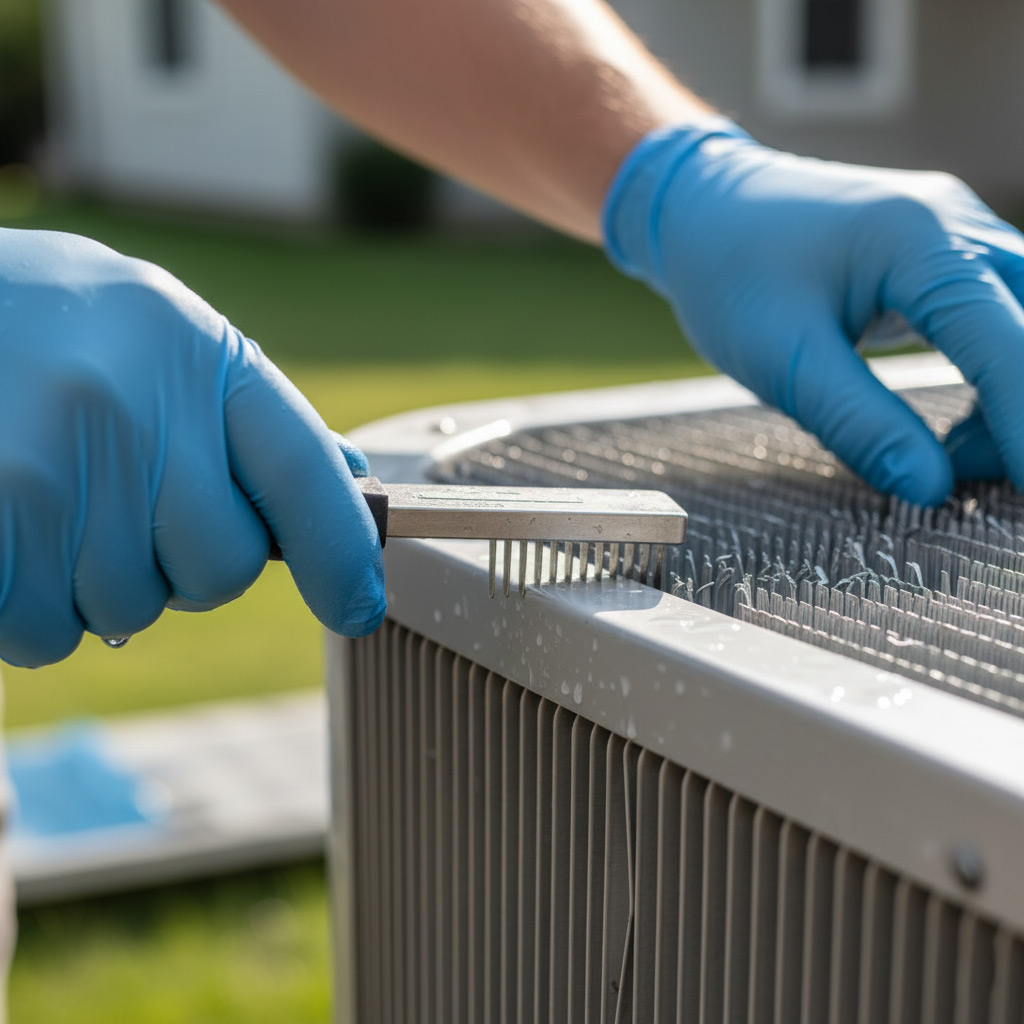
Salt‑air loves to settle on the outdoor coil, eating away the copper and aluminum like a slow‑burning fire. Corrosion reduces heat exchange efficiency, forcing the compressor to work harder.
Even a thin layer of rust can cause a drop in SEER ratings by 10% or more. The cure isn’t a quick spray; it’s a thorough cleaning and a protective coating.
- Inspect the coil fins for greenish buildup; that’s the first sign.
- Use a coil cleaner designed for marine environments – regular detergents won’t cut it.
- Apply a UV‑resistant sealant after cleaning to keep the salt at bay.
Pro Diagnostic Secrets: Tools, Tests, and What Technicians Look For First
Tools of the Trade
Seasoned techs don’t rely on guesswork; they pull out a multimeter that can read micro‑amps and a thermographic camera that spots hot spots invisible to the naked eye. A handheld refrigerant leak detector is also a must‑have, especially when salty air is chewing away at seals.
- Digital multimeter – checks voltage, resistance, and continuity in seconds.
- Thermographic camera – reveals coil hotspots, indicating blockages or failing fans.
- Leak detector – sniffs out HFC leaks before they become costly compressor failures.
Core Tests Technicians Run First
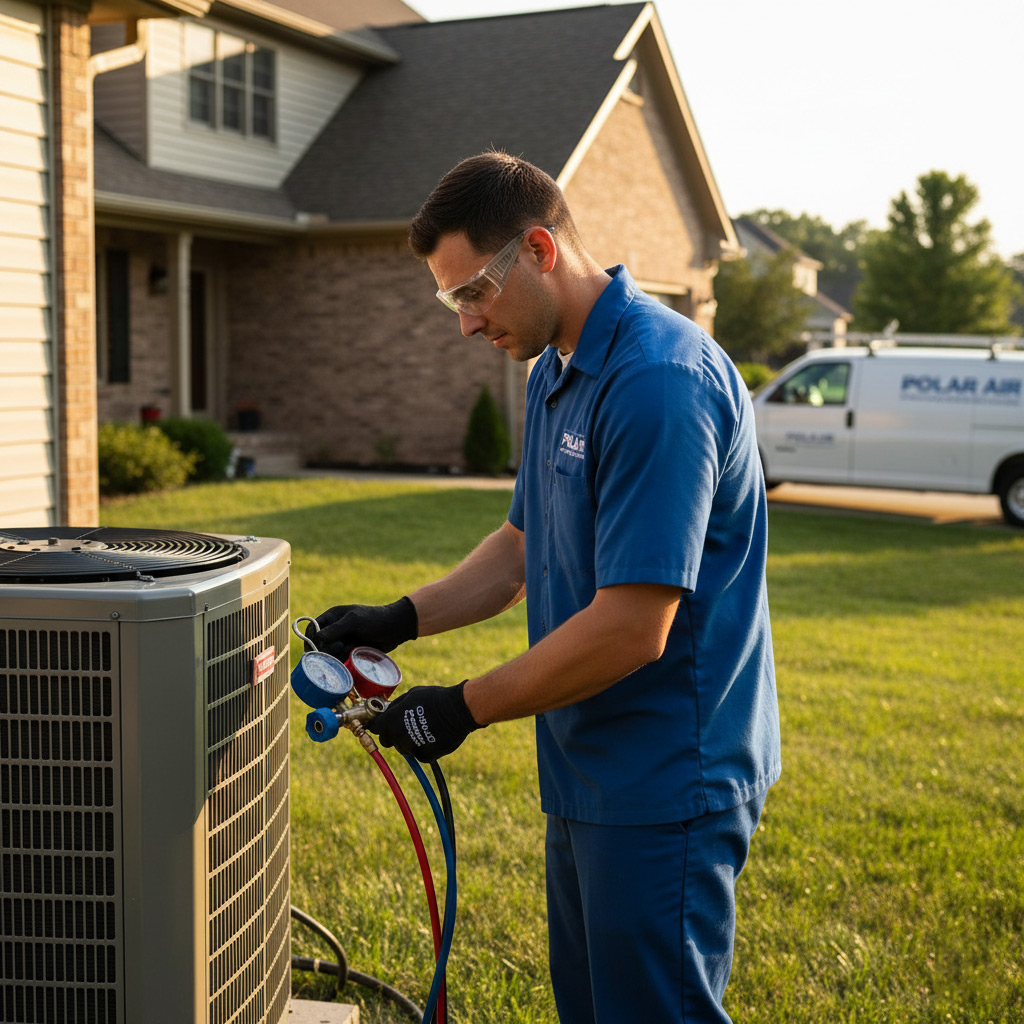
Before they crack open the unit, pros run a quick startup voltage check to confirm the compressor is getting the right power. Next, they perform a static pressure test to see if the refrigerant charge is within spec.
- Startup voltage – ensures the compressor isn’t starved or overloaded.
- Static pressure – compares measured pressure to manufacturer’s chart at ambient temperature.
- Capacitor health – a quick “snap” test reveals a weak or dead capacitor.
First Things on Their Radar
What catches a tech’s eye in seconds? The condition of the coil fins and any signs of corrosion. They also glance at the thermostat wiring; a mis‑wired line can masquerade as a failing pump.
- Coil fin integrity – bent or corroded fins choke airflow.
- Thermostat wiring – wrong connections cause erratic cycling.
- Compressor sound – odd noises often point to internal wear before a full breakdown.
DIY Fixes vs. Professional Repairs: Knowing When to Step Back
There’s a sweet spot where a homeowner can save a few bucks without jeopardizing the system. Simple tasks like cleaning the outdoor coil or swapping a blown fuse are low‑risk and often done in under an hour.
When a DIY Attempt Makes Sense
- Filter replacement – a clean filter restores airflow and can shave off a few dollars.
- Checking thermostat settings – a mis‑set schedule is a cheap fix.
- Inspecting visible wiring for loose connections – a quick tighten can stop intermittent shutdowns.
But once you start pulling panels, testing refrigerant pressure, or fiddling with the compressor, you’ve crossed into professional territory. The cost of a botched repair far outweighs the savings.
When to Call the Pros
- Faulty capacitor – requires a calibrated tester and proper disposal.
- Corroded coils from salty air – needs specialized cleaning agents and sealants.
- Refrigerant leaks – only licensed techs can legally recharge the system.
If any of those red flags appear, step back and let a certified technician handle it. You’ll avoid voiding warranties and keep your heat pump humming through Mobile’s humid summers and briny winters.
Case Study: Reviving a Coastal Home’s Heat Pump After Salt‑Air Damage
The Problem
When the Johnsons moved into their historic bungalow on Dauphin Street, the heat pump sputtered like an old diesel engine. Salt‑laden breezes had corroded the outdoor coil and gnawed at the compressor’s copper fins. Within weeks, the unit was cycling on and off, leaving the house either sweltering or freezing.
What the Pros Did
Our tech crew ran a full diagnostic, then tackled the damage in three decisive moves:
- Coil cleaning and re‑coating: We sanded away rust, applied a marine‑grade anti‑corrosion spray, and sealed every seam.
- Capacitor swap: The original capacitor had lost its punch; a new, high‑temp model restored proper start‑up torque.
- Thermostat rewiring: A mis‑wired line was causing false low‑temp alerts; we corrected the wiring and calibrated the sensor.
Each step was documented, and we ran a pressure test to confirm no leaks remained.
The Result
After the overhaul, the heat pump ran smooth as a well‑tuned motorcycle. The Johnsons reported a 30% drop in their energy bill and no more “jackhammer” noises. Lesson learned: a quick fix won’t survive Mobile’s salty air—only a thorough, pro‑level repair does.
Preventative Maintenance Checklist to Keep Your Heat Pump Running Year‑Round
Think of your heat pump like a race car – it needs a pit stop before the next lap. A quick visual sweep each month catches the cheap fixes before they turn into pricey breakdowns. Stay ahead of the humidity and salt‑air assault and you’ll keep the system humming all year.
Monthly Quick‑Hit Tasks
- Inspect the outdoor coil for visible salt buildup; rinse with a garden hose if you see a film.
- Check the fan blades for dust or debris; a clean blade means smoother airflow.
- Listen for odd noises when the unit starts – a click or whine often signals a failing capacitor.
- Verify the thermostat display matches the room temperature; mis‑wired settings are a silent killer.
These five minutes save you weeks of downtime. If anything looks off, flag it and call a pro before the next season hits.
Seasonal Deep‑Dive
- Spring: Flush the condensate drain line with a cup of bleach and water to prevent clogs.
- Summer: Tighten all electrical connections; heat expands metal, loosening screws.
- Fall: Replace the air filter with a high‑MERV version; cleaner air = less strain on the compressor.
- Winter: Run the defrost cycle manually once a month to keep the coil from icing over.
Mark these dates on your calendar and treat them like a doctor’s appointment. A little discipline now means no emergency calls when the Gulf storms roll in.
Final Words
Before you hand the keys to a “quick‑fix” tech, remember that a heat pump is a precision instrument. One wrong move can turn a $500 repair into a $2,000 replacement. Invest in the right expertise and you’ll keep your system humming while the Gulf breeze does its thing.
What to Keep in Mind
- Ask for a written diagnostic report – it forces the tech to spell out the problem.
- Insist on a capacitance test before any capacitor is swapped.
- Check that the thermostat wiring matches the manufacturer’s diagram.
When you see a contractor brag about “same‑day service,” ask how they’ll protect the coil from salt‑air corrosion. A reputable pro will mention anti‑rust coatings or a sealed‑unit upgrade. If they can’t, walk away.
Need more guidance? Browse our full Heat Pump Repair library for checklists, FAQs, and the latest tech tricks that keep Mobile homes comfortable year‑round.
People Also Ask
How does Mobile’s high humidity affect heat pump efficiency?
High humidity forces the heat pump to work harder to remove moisture, which can lower its SEER rating and increase energy bills. Excess moisture also promotes coil corrosion and mold growth, shortening the unit’s lifespan.Why do faulty capacitors cause heat pump failures in coastal areas?
Capacitors store the electrical charge needed to start the compressor and fan motors; salt‑air corrosion can degrade them, leading to intermittent starts or complete shutdowns. Replacing a bad capacitor restores proper voltage flow and prevents further damage.When should I attempt a DIY thermostat reset versus calling a professional?
A simple reset or battery change is safe if the thermostat is visibly malfunctioning but still wired correctly. If the thermostat shows wiring errors, short circuits, or the system won’t respond after a reset, a licensed technician should handle the re‑wiring.What diagnostic tools do pros use to pinpoint heat pump problems?
Technicians rely on multimeters for voltage and resistance checks, refrigerant gauges to verify pressure levels, and infrared cameras to detect coil temperature anomalies. These tools quickly reveal issues like low refrigerant, electrical faults, or coil corrosion.How often should I schedule preventative maintenance for my heat pump in Mobile?
A professional inspection at least once a year—preferably before the cooling season—keeps the unit running efficiently. Seasonal cleanings, coil inspections, and capacitor checks can prevent costly breakdowns caused by humidity and salt‑air exposure.
Mobile HVAC has served the Mobile, AL community for over 15 years, delivering reliable heating and cooling solutions. Their team of certified technicians combines local knowledge with industry‑leading practices to keep homes comfortable year‑round.
Need HVAC?
We deliver rapid, reliable internet installation and repair services across Mobile, AL and surrounding ZIPs (36602, 36604, 36571, 36526, 36532). Our teams prioritize quick response times to keep your connection operational.
Get HVAC Estimate